
Ubisoft's newly released Assassin's Creed Black Flag Resynced has become the latest flashpoint in a long running debate over single-player microtransactions, with players flooding the Steam page with negative reviews over the amount of paid DLC available at launch.
For background, see Assassin's Creed Black Flag Resynced Launches Today on PS5, Xbox Series X|S, and PC.
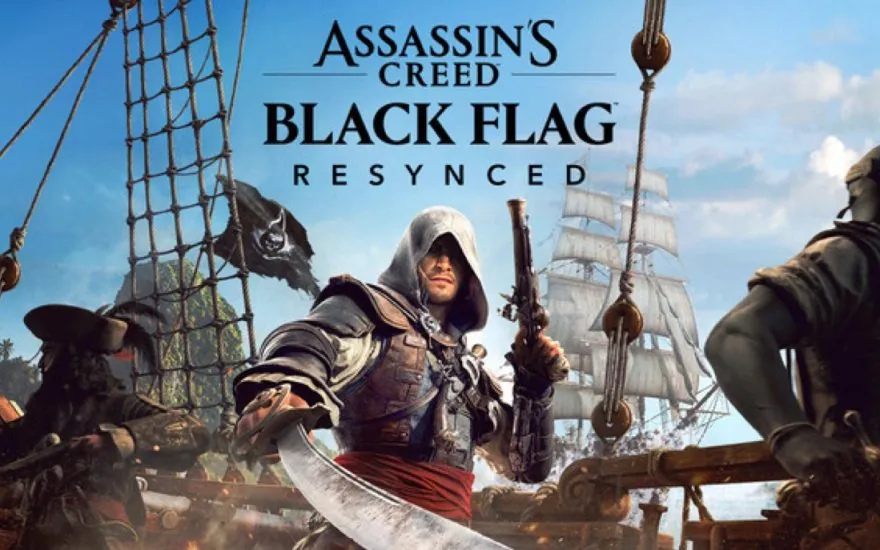
The remake, which arrived on July 9 priced at $59.99, updates the 2013 open-world pirate adventure with improved visuals, refined gameplay, and additional content. Early sales figures suggest strong commercial performance. The game tracked roughly $14 million in gross revenue before launch and ranked as the top global seller on Steam within hours of release.
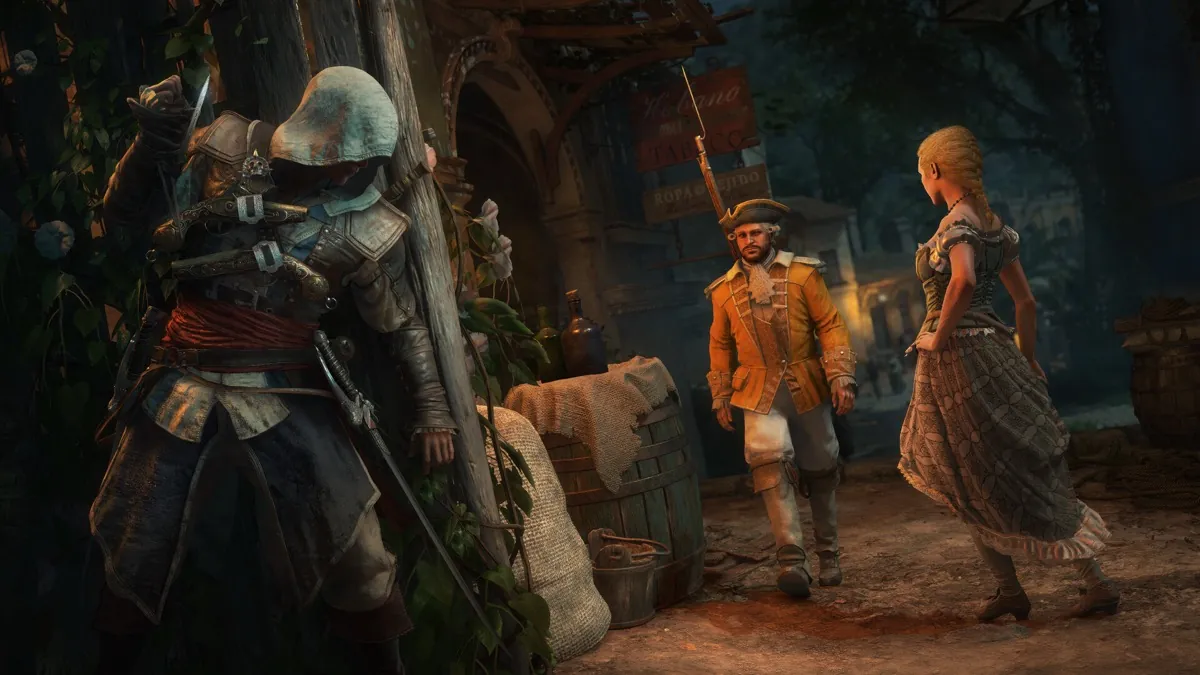
But alongside the updated graphics and new features came a storefront filled with optional purchases. Players who bought the $59.99 Deluxe Edition, which includes an extra Edward costume, a unique sword and pistol, and the Master Assassin Naval Pack, reported being greeted by a menu showing roughly $85 worth of additional DLC packs immediately after launching the game. These range from character and naval cosmetic sets priced at $9.99 each to resource packs and map marker packs at $4.29.
"What's the point of getting the Deluxe Version when, immediately in game, there's $84.91 worth of 'DLC' that you don't own," reads one highly rated Steam review. Another player wrote: "Bought the Deluxe Edition for £59.99 to have £76 of extra DLC advertised to me at launch. No thanks. Refund requested. Play the original instead until this goes on sale."
The backlash has pushed the game's overall Steam rating to "Mixed" after a short period of "Mostly Negative" reviews. At the time of writing, around 3,100 reviews have been posted, with a significant portion citing the microtransaction pricing as their primary complaint.
The available DLC includes character skin packs such as Hellfire, Sea Serpent, and Dragon Storm, each priced at $9.99, alongside matching naval cosmetic packs at the same price. Additional convenience items include a resource pack that provides gold and upgrade materials for $4.29, and a map pack that adds exploration markers to the game world for the same price. These function as shortcuts for materials that can be gathered through normal gameplay, but their presence at launch alongside a full-price Deluxe Edition has been the core of the criticism.
Microtransactions have been a recurring point of tension in Assassin's Creed games since 2017's Origins. But the scale of the day one offerings in Black Flag Resynced, layered on top of a premium-priced Deluxe Edition, appears to have struck a nerve with the community in a way that previous entries did not. Some of the cosmetic items in the in-game store even link out to Assassin's Creed Shadows, launched earlier this year, to show players what they are buying, adding to the sense of cross-game upselling.
Ubisoft responded to the feedback by noting the optional nature of the cosmetic items and standing by the pricing structure. The publisher pointed out that the DLC packs do not block any story content and that every item can be skipped without affecting the main campaign. However, many players have taken issue with the timing and presentation of the offers appearing so prominently immediately after launch.
The situation recalls similar controversies around premium-priced single-player games that include storefronts and paid shortcuts. Ubisoft has faced this criticism before with previous Assassin's Creed titles, but the combination of a full-price remake and a substantial DLC catalog arriving on the same day has reignited the discussion around what players should reasonably expect when buying a $60 game in 2026.
For those looking to avoid the additional costs, the $39.99 Standard Edition does not include the cosmetic bundles, though the same in-game store remains accessible. The original Assassin's Creed IV Black Flag also remains available on Steam at its standard pricing, offering the core experience without the Resynced upgrades or the new microtransactions.
What happens next will depend on whether Ubisoft adjusts its approach in response to the feedback. The game remains a commercial success by the numbers, but a "Mixed" Steam rating so early in its lifecycle could have longer term implications for post-launch sales and community goodwill. The Assassin's Creed fanbase has shown before that sustained backlash can lead to changes, and all eyes are now on whether Ubisoft will respond with pricing adjustments or continue with its current strategy.