
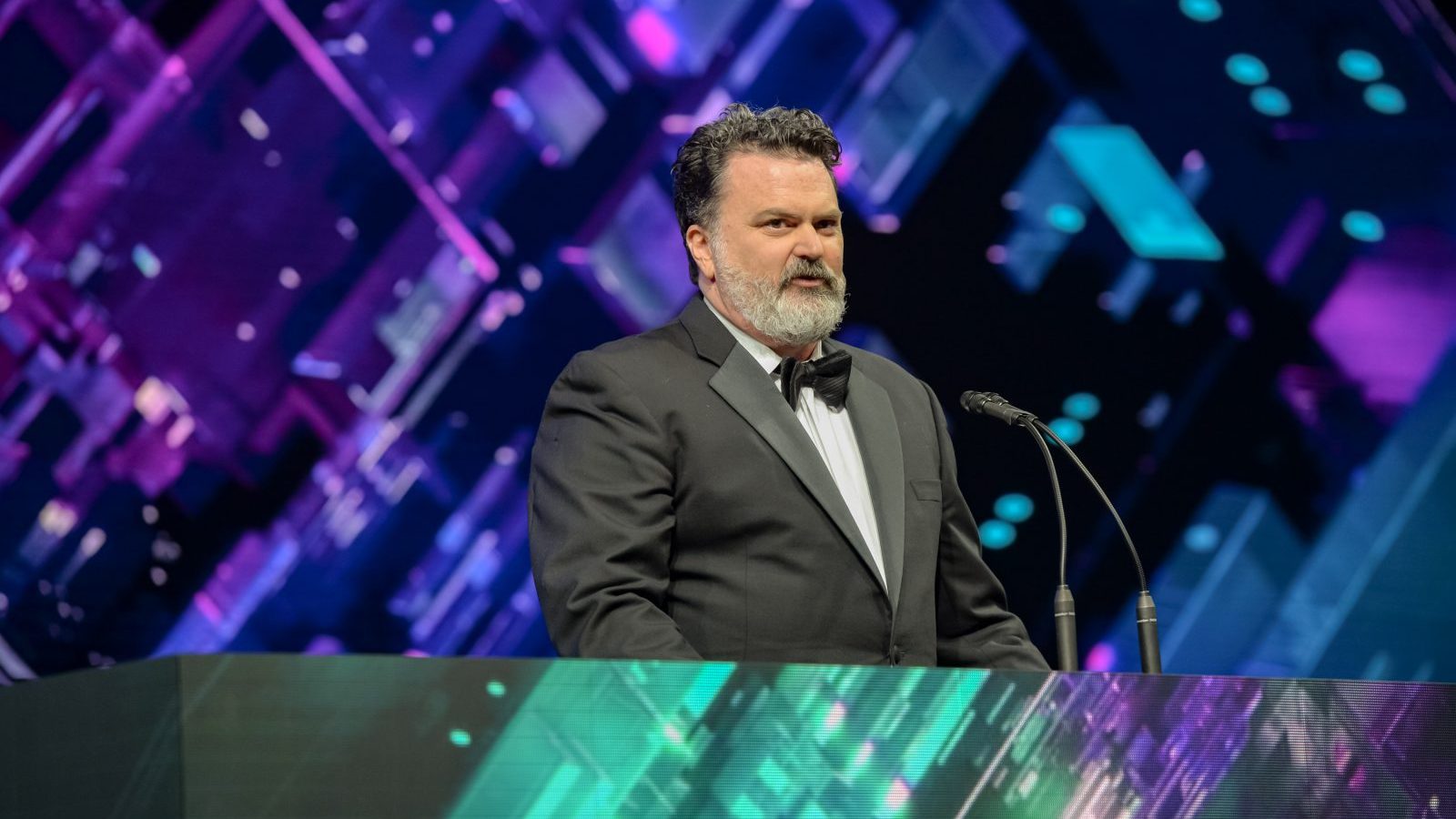
Double Fine Productions now owns the intellectual property and publishing rights to every game it made during its time under Xbox, CEO Tim Schafer confirmed this week. The development follows the studio’s full separation from Xbox Game Studios last month and gives Double Fine direct control of revenue from its back catalogue, as reported by GamesIndustry.biz on August 24.
GamesIndustry.biz reported the confirmation on August 24, attributing the detail to Schafer’s appearance on the Kinda Funny Games podcast via Kotaku. Schafer noted that some store listings “still say Microsoft” but said the transfer simply takes time to process, adding that “when people buy our games, it supports the studio.”
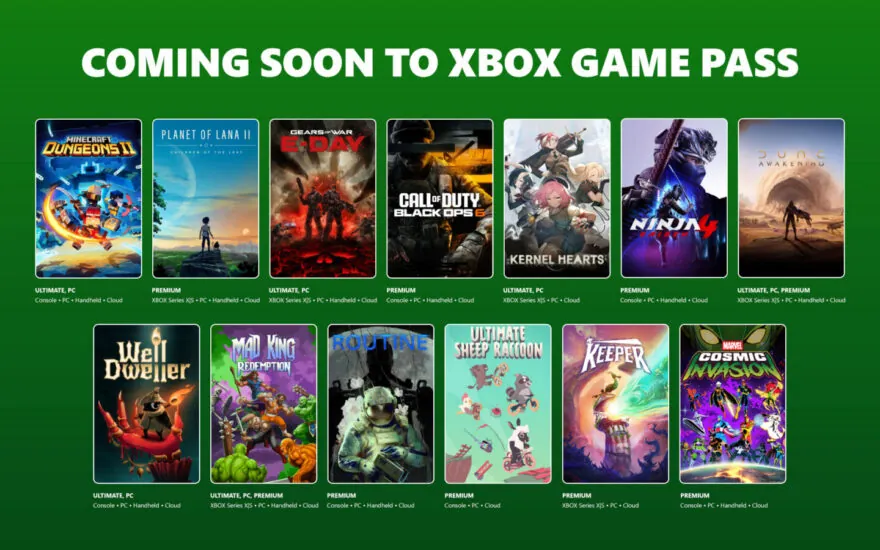
The rights cover titles developed under Microsoft, including Psychonauts 2, Keeper, and Kiln. Under Xbox ownership, publishing and revenue flowed through Microsoft; now they return to the independently operated studio. Double Fine’s own Amnesia Fortnight page lists the studio’s initiatives, and the change means purchases of its games now fund the team directly rather than a parent company.
As we reported when Double Fine cut 23 roles and completed its split from Xbox in July, the layoffs pared the studio to a sustainable size. Regaining the IP is the other half of that independence story: the studio keeps both its creative catalogue and the means to sell it. The move also lets Double Fine control ports, re-releases, and future sequels to its own properties.
Double Fine is not alone in this position. Compulsion Games, which also departed Xbox in the same restructuring, has confirmed it retains rights to South of Midnight and is opening to external partnerships. Both studios were among several spun out as Xbox eliminated more than 3,200 positions across the division.
Amnesia Fortnight returns on August 31
To mark its independence, Double Fine announced its fifth Amnesia Fortnight game jam, launching as a Kickstarter campaign on August 31. Backers help choose which prototype ideas become four new builds, and the studio says backers will then decide which of those becomes a real, small game. 2 Player Productions will film the process for a documentary. Schafer described the goal as building financial runway so the studio has time and stability while it works on other projects.
The jam format is a Double Fine tradition. Small teams design and build prototypes over two weeks, and past jams produced ideas that became full games, including the recently released Kiln. This year’s event is pitched as an “Indie Reboot,” leaning on community funding rather than a first-party publisher and giving fans a direct stake in what gets made.
For players, the practical effect is simple. Buying Psychonauts 2, Keeper, or Kiln now puts money into Double Fine’s own accounts rather than Microsoft’s, and the studio has signaled it intends to keep its catalogue available and supported as an independent developer. After a turbulent summer, the studio has both its creative freedom and the revenue to act on it.