
Sony decision to bring PlayStation exclusives to PC was once considered unlikely. The company had historically used exclusive games as the primary reason to buy a PlayStation console. But starting with Horizon Zero Dawn in 2020, Sony began releasing its first-party titles on Steam, a strategy that has since reshaped how the industry thinks about platform exclusivity.
Sony’s current PC catalogue and platform approach are documented on the official PlayStation PC page.
The Timeline
Sony first PC port was Horizon Zero Dawn in August 2020, followed by Days Gone in 2021, God of War in 2022, and subsequent releases including Spider-Man, The Last of Us Part I, Ratchet and Clank: Rift Apart, and others. Each release was staggered, typically arriving one to three years after the original PlayStation launch. Sony has maintained that major exclusives like God of War Ragnarok and Marvel Spider-Man 2 eventually come to PC, though the gap between console and PC release varies by title.
The Impact on PlayStation
The PC strategy has generated significant revenue for Sony without apparently cannibalizing console sales. Sony has reported strong sales figures for its PC ports, and the company has continued to invest in the PC market by requiring PlayStation Network accounts for online features in its PC releases. The strategy has also introduced PlayStation franchises to PC only players, potentially converting some to future PlayStation console buyers.
The Impact on the Industry
Sony PC strategy has influenced how other platform holders approach exclusivity. Microsoft was already releasing its games on PC simultaneously with Xbox. Nintendo has maintained its exclusive approach, but pressure to bring titles like Zelda and Mario to PC continues to grow from the PC gaming community. The trend suggests that timed exclusivity followed by PC release is becoming the standard model for major publishers.
The Bigger Picture
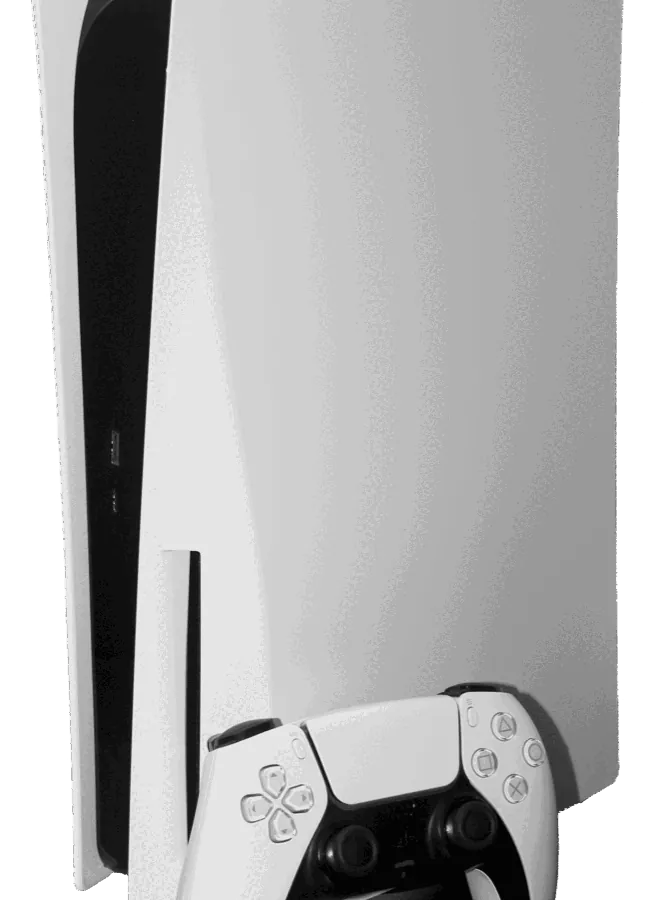
PlayStation PC strategy is not a shift away from console hardware. It is a recognition that the PC gaming market is large enough to support both platforms simultaneously. Sony continues to invest in PlayStation hardware while treating PC as a complementary market that generates revenue from players who would not buy a PlayStation regardless.
Market Reactions
The long term impact of Sony PC strategy will depend on how the company balances release timing. Shorter gaps between console and PC releases please PC players but may reduce the incentive to buy a PlayStation. Longer gaps preserve console exclusivity value but frustrate PC players waiting for ports. Current data suggests the strategy is working for both Sony and PC players, even if neither side gets everything it wants.
Sonys PC strategy has shifted over time. Early ports arrived years after console launches, but recent releases like Helldivers 2 launched simultaneously on PC and PlayStation. This evolution reflects a broader industry trend toward platform-agnostic publishing that prioritizes player access over hardware exclusivity.
Sonys evolving approach has encouraged other platform holders to reconsider exclusivity windows. Microsoft now launches first-party titles on PC and Xbox simultaneously. Even Nintendo has begun porting select titles to PC through partnerships. The industry trend favors broader availability over platform-locked releases.
The long-term impact of Sonys multiplatform approach continues to unfold as more players access PlayStation titles without owning a console.