
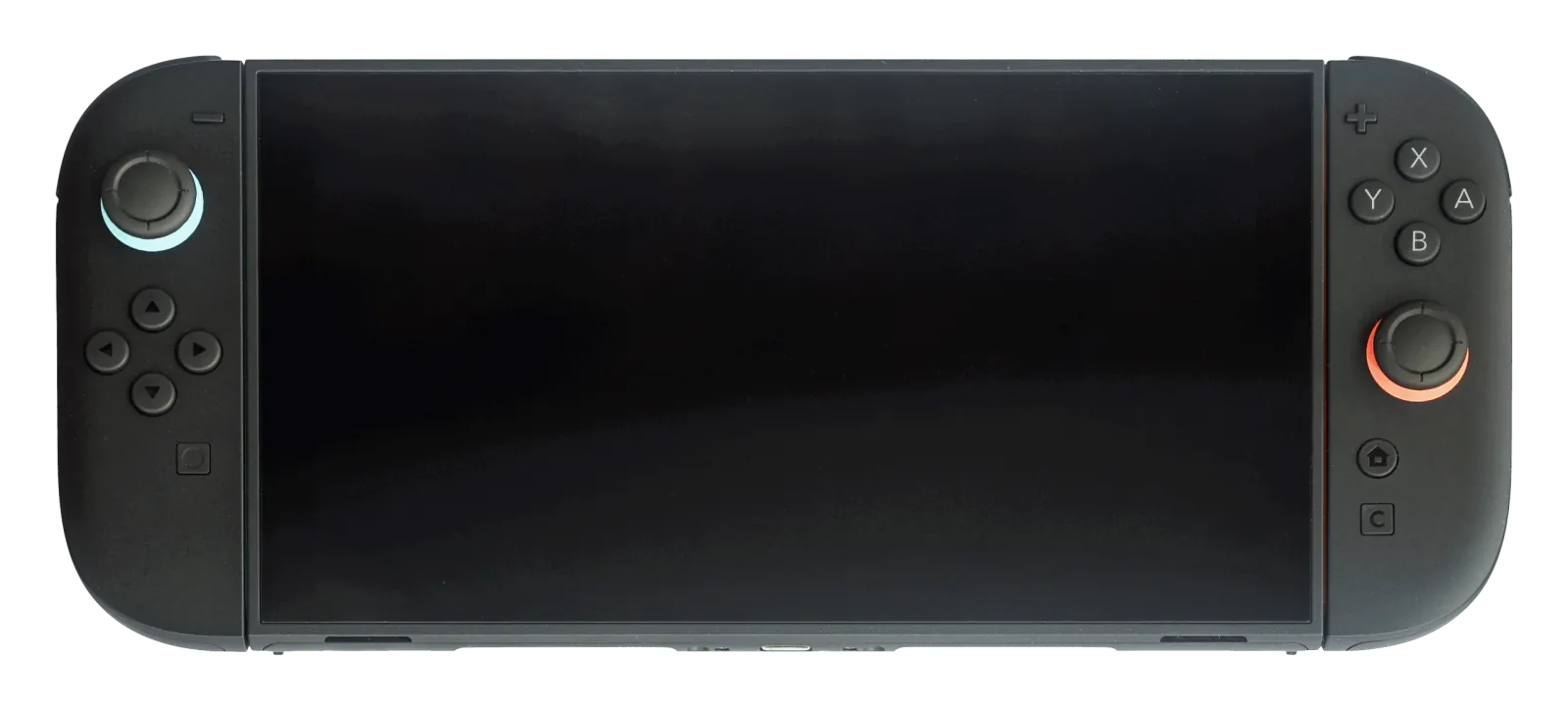
Nintendo Switch 2 launched in early June 2026 to record demand, selling millions of units in its opening weeks. With roughly one month of sales data and player feedback available, it is possible to assess how the console is performing and what the early library looks like.
Related coverage: Nintendo Switch 2 vs Steam Deck: Which Portable Is Right for You?.
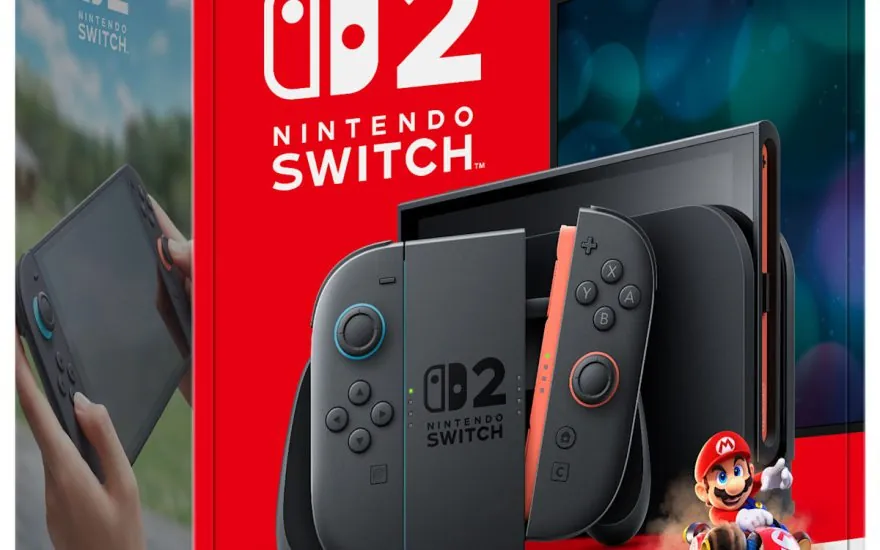
The Nintendo Switch 2 launched in June 2026 with a substantially upgraded hardware specification compared to its predecessor. The new console features a custom NVIDIA Tegra chip with support for DLSS upscaling, 12GB of RAM, and a 7.9-inch OLED display running at 1080p natively and up to 4K when docked. Storage starts at 256GB with expandable support via high-speed microSD cards.
Backward compatibility with original Switch games and accessories was a key selling point at launch. Existing Joy-Con controllers, Pro Controllers, and dock accessories work with the Switch 2, though some original Switch games may see performance improvements when played on the newer hardware through enhanced resolution and frame rate modes.
Launch Sales and Demand
The Switch 2 had the strongest console launch in Nintendo history, selling through initial allocations within days across most markets. The console was widely available at launch, a contrast to the original Switch supply constraints in 2017. Japan has been the strongest market, accounting for roughly a quarter of global sales. Nintendo has not released official month-one sales figures, but analysts estimate shipments exceeded 5 million units globally.
The Launch Library
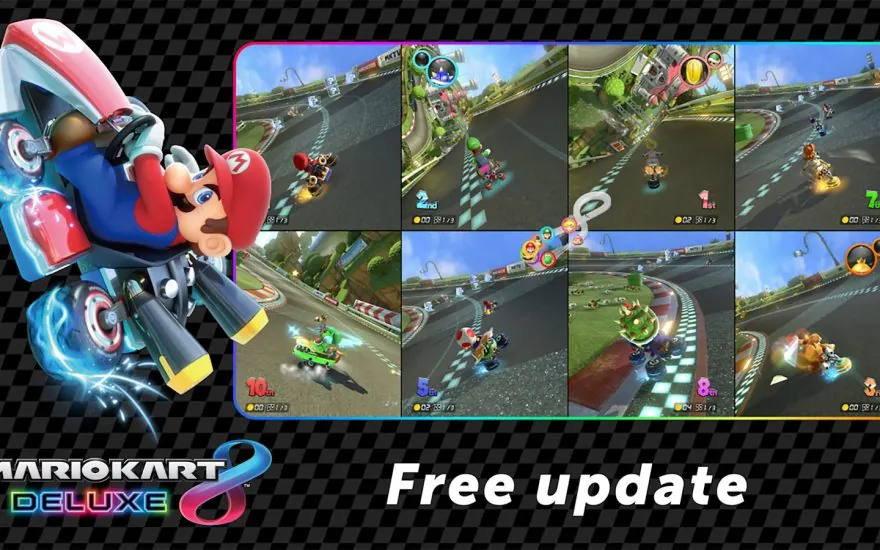
Mario Kart World launched alongside the console and has been the dominant software title, with an estimated 80 percent attach rate among Switch 2 buyers. Donkey Kong Bananza, Kirby Air Riders, and Metroid Prime 4: Beyond have all released within the first month, giving the console the strongest launch window library of any Nintendo platform.
Third-party support has been solid. Capcom, Square Enix, Sega, and Ubisoft have all published titles on the platform. Several major third-party games run at lower visual settings compared to PC or competing consoles, but the portability factor continues to be the system key differentiator.
Where It Works
The Switch 2 hybrid design remains its strongest feature. Players can seamlessly transition between TV and handheld modes, and the improved screen and battery life over the original Switch have been widely praised. Backward compatibility with most Switch 1 digital and physical games has been a major selling point for existing Nintendo owners.
Where It Struggles
The higher price compared to the original Switch has been a barrier for some buyers. Additionally, some third-party ports run at noticeably lower visual quality than their PS5 or PC counterparts. The online infrastructure remains largely unchanged from the original Switch, which has drawn criticism for its feature set compared to PlayStation Plus or Xbox Game Pass.
Industry Consequences
The Switch 2 is off to a strong start, but its long-term success will depend on the pace of first-party releases and continued third-party support through the rest of 2026 and beyond.
The Switch 2s launch lineup includes both first-party Nintendo titles and significant third-party support that was not available on the original Switch. Backward compatibility with original Switch games ensures existing libraries carry over. The systems long term success will depend on sustained third-party support beyond the launch window.