
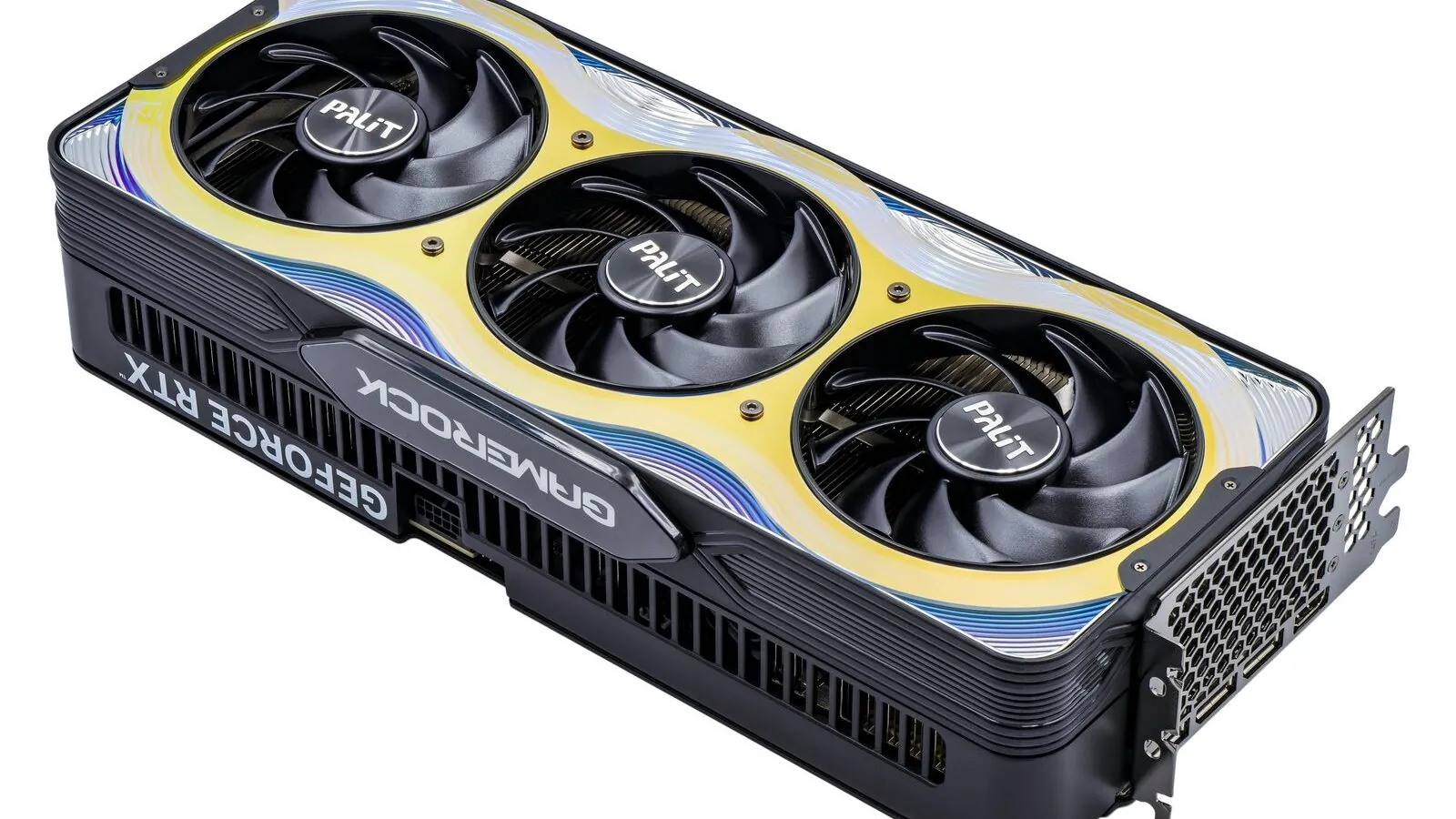
Nvidia has reportedly notified its add-in board partners of a new round of GPU kit price increases of 20 to 30 percent, its third such adjustment in 2026, according to trade reporting from TechJuice. The company has not publicly confirmed the move, and the reported figures come from supply-chain sources rather than an official Nvidia statement.
The reporting matches a market where both GPU vendors are raising prices. AMD followed within days, notifying its partners on July 31 that Radeon GPU and memory kit prices would rise by at least 10 percent from August, according to Tech Times. With both vendors moving together, there is no cheaper GPU maker left to switch to for buyers hoping to avoid the increase.
A third hike in a memory-driven year
Nvidia pricing has already been through two rounds in 2026. In January, Nvidia and AMD raised memory prices by 10 to 15 percent, and a May adjustment pushed flagship models sharply higher. The latest reported round is broader. TechJuice says it affects both current GDDR7-based RTX 50 cards and older GeForce products using GDDR6, which would pull mainstream RTX 4000-series pricing up as well.
Retail prices have already started moving. South Korean price tracker Danawa, cited in a Tom’s Hardware report on August 3, logged RTX 50-series increases of roughly 31 to 50 percent in under a week, with the RTX 5090 clearing the equivalent of about $5,121. In the United States, Best Buy listed an Asus ROG Astral RTX 5080 OC at $2,099, up from its $1,499 launch price, while a 16GB RTX 5070 Ti from a Chinese brand rose from 9,299 to 10,700 RMB on July 24, per TechJuice.
The DRAM shortage behind it
The common cause is memory, not GPU silicon. GDDR6 spot prices have roughly tripled since late 2025, and GDDR7 modules have climbed alongside them, because Samsung, SK Hynix, and Micron have shifted a large share of wafer capacity toward the high-bandwidth memory used in AI data center accelerators. TechJuice reports a 2GB GDDR7 chip now costs about $20, while a 3GB module runs between $60 and $70. That leaves consumer graphics memory structurally short with no near-term fix. Board makers feel the strain too. MSI chairman Hsu Hsiang said memory supply visibility is currently limited to about one month, and that consumer product shipments could fall 10 to 20 percent this year, per TechJuice.
For players, the practical effect lags the wholesale numbers. Cards assembled before the August kit pricing will sit on shelves at current prices for a while, so the increase is not instant. Buyers looking for less pressure can consider last-generation cards such as the GeForce RTX 4070 or Radeon RX 7800 XT, which use memory that predates the acute shortage. If you are weighing a full upgrade, our guide to building a gaming PC in summer 2026 covers the current component market.
The console market offers no cheaper alternative. Xbox Series X rose to $799.99 on August 1, Nintendo Switch 2 is set to rise to $499.99 on September 1, and the PlayStation 5 disc model reached $649.99 in April, all citing higher memory costs. Supply-chain reporting suggests further GPU kit increases are likely before the end of the year, and no significant new memory capacity is expected until late 2027 at the earliest.