

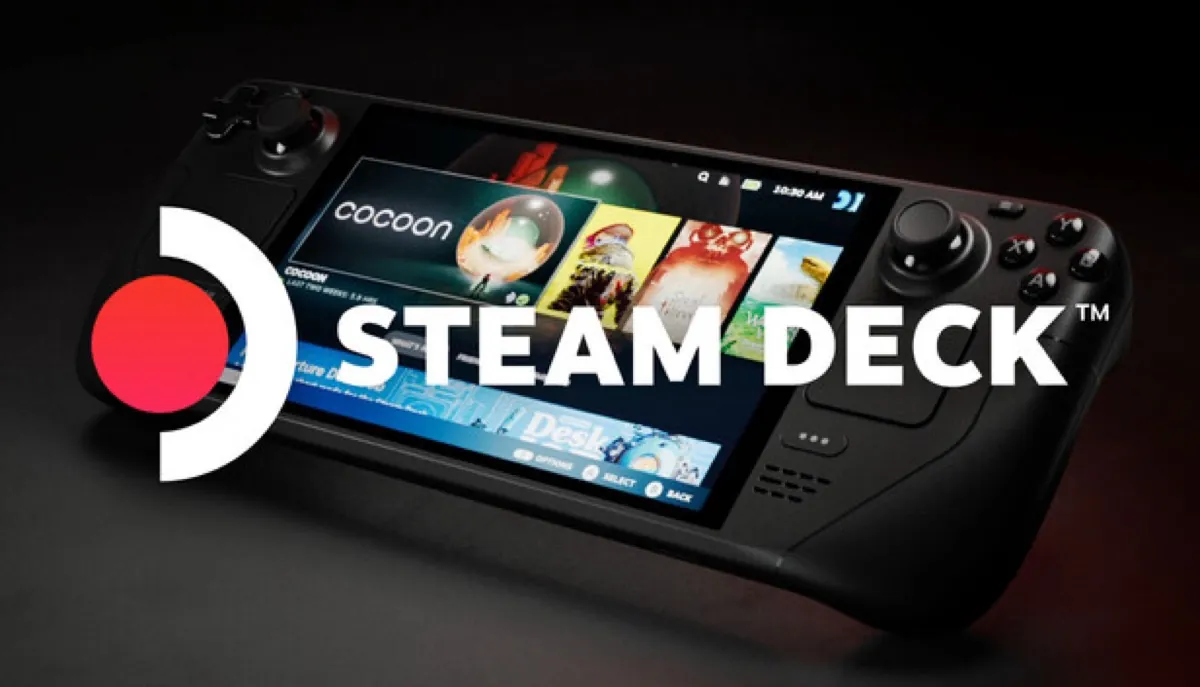
Valve confirmed on June 22 that SteamOS 3.8 is now available as a general-purpose PC operating system, marking the first official acknowledgement that the Arch Linux-based platform can be installed on hardware beyond the Steam Deck and new Steam Machine. The official SteamOS FAQ now includes DIY installation guidance for users who want to run SteamOS on their own PC builds.
"We are continuing to work toward enabling SteamOS to be used on more hardware than just ours," Valve said in its Steam Machine announcement. "The recent release of SteamOS 3.8 can run the same code and operating system as Steam Machine on your own living-room PC using whatever PC parts you want."
Intel Handheld Support in SteamOS 3.8.8 Beta
The SteamOS 3.8.8 beta, released on June 10, brought direct support for Intel-based handheld gaming devices. The update added controller support for the MSI Claw series, including the A1M, 7 AI Plus, 8 AI Plus, and A8 BZ2EM models. It also fixed a specific issue where MSI Claw controls would remain stuck in Desktop Mode.
The beta changelog includes "improved compatibility with recent Intel and AMD platforms" and crucially "add initial firmware for upcoming Intel handhelds." Bluetooth issues affecting some Intel handhelds were also resolved. These updates signal that Valve is actively preparing SteamOS for the next generation of Intel-powered portable gaming hardware.
SteamOS 3.8.20 Beta and 3.8.12 Stable Released
On June 30, Valve released SteamOS 3.8.20 beta alongside the stable 3.8.12 update. The beta brings Mesa graphics driver improvements with "many ray-tracing performance improvements" and "greatly improved VRAM management," which is particularly relevant for handheld devices with limited video memory. The stable channel update makes these refinements available to all SteamOS users.
Additional SteamOS changes this week include a reorganized resolution settings menu optimized for TV and monitor use, directly benefiting Steam Machine owners. Valve moved the "Maximum Game Resolution" setting to a more prominent location and added notifications when games run below a display's native resolution.
Intel Arc G3 Processors Target Handheld Gaming
The SteamOS expansion coincides with Intel's push into handheld gaming hardware. On May 28, Intel announced its Arc G3 and Arc G3 Extreme processors, the company's first chips marketed specifically for handheld gaming PCs. The processors feature up to 14 CPU cores and Arc B390 GPU performance that Intel claims is "up to twice as fast" as AMD's Radeon 890M in laptop testing.
Device partners including MSI, Acer, and OneXPlayer have announced upcoming handhelds using the Arc G3 series. While SteamOS compatibility with these new Intel chips is not confirmed at launch, the ongoing SteamOS beta updates suggest Valve is working to close that gap.
Steam Machine Launch and Market Context
The Steam Machine launched on June 29 at $1,049 for the 512GB model, using a randomized reservation system to combat scalping. The device runs SteamOS 3.8 and is Valve's first living-room console since the original Steam Machine initiative stalled in the mid-2010s. Component shortages driven by AI demand have constrained supply and pushed pricing higher than Valve's original estimates.
SteamOS now accounts for approximately 5 percent of the Steam platform's user base, up from less than 1 percent in 2021. With general PC installation support, Intel handheld compatibility, and the Steam Machine launch all landing within weeks of each other, Valve's operating system is expanding beyond the Steam Deck into a broader ecosystem.