
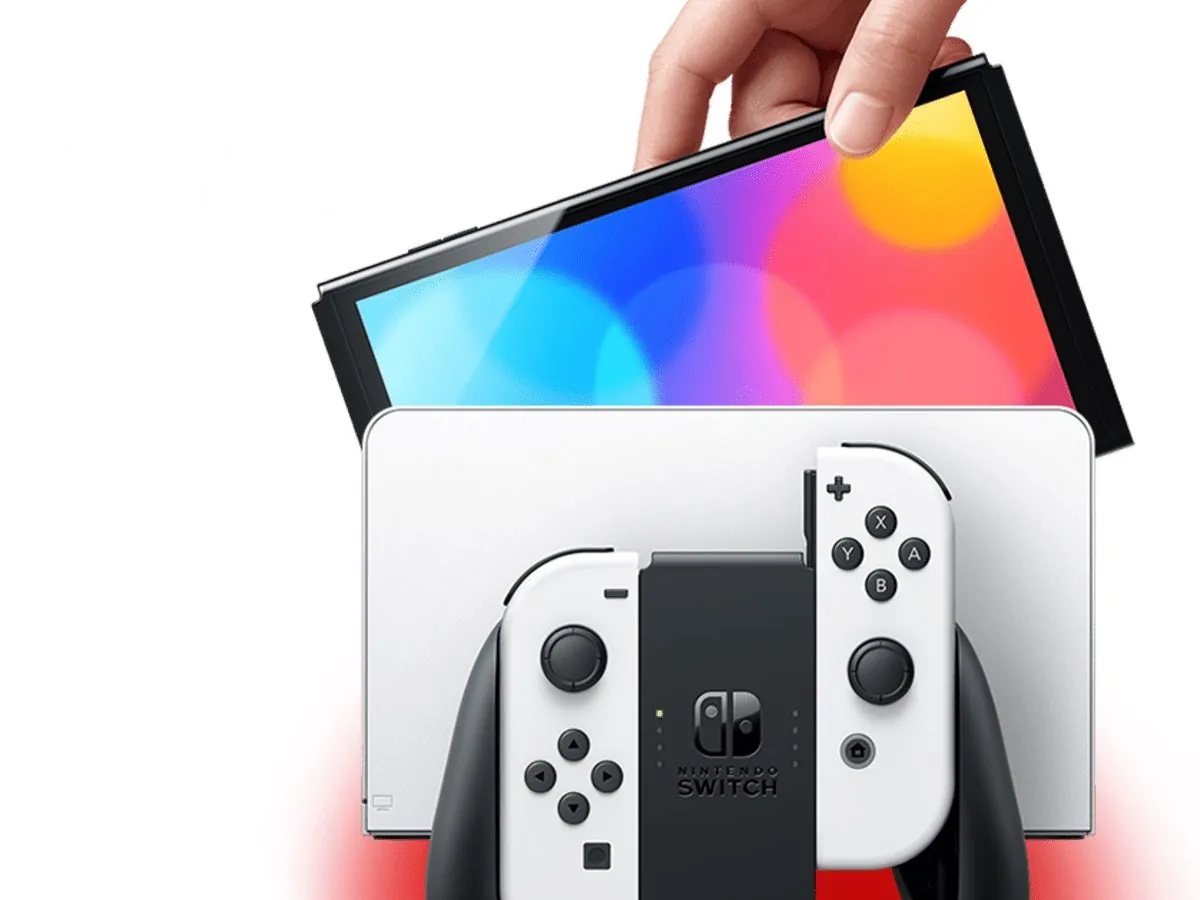
Nintendo is discontinuing the Switch, Switch Lite, and Switch OLED Model across Europe. All three models will stop shipping to retailers in mid-February 2027, clearing the way for the Nintendo Switch 2 as the company's primary hardware platform in the region. The timeline aligns with updated EU battery regulations that require consumer electronic devices to include user-replaceable batteries starting February 2027, as detailed in an official Nintendo support notice.
The decision covers every European territory where Nintendo distributes hardware, including the UK, France, Germany, Spain, Italy, and the Nordic countries. After mid-February, new units of the standard Switch, the handheld-only Switch Lite, and the premium Switch OLED Model will no longer be shipped to retailers, though existing retail stock may still be available for a period afterward. Nintendo has not announced any price reductions or clearance sales ahead of the cutoff.
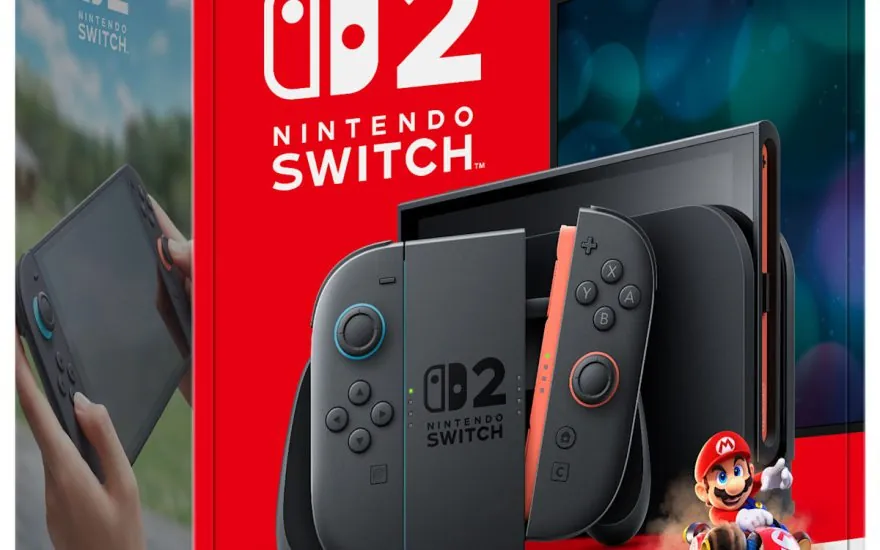
Rather than redesigning the current Switch models to comply with the upcoming EU battery regulations, Nintendo is transitioning the European market entirely to the Switch 2, which will ship with a user-replaceable battery. The Nintendo support notice also details revised versions of the Switch 2 Pro Controller, N64 Controller for Switch, and GameCube Controller for Switch 2 that will include user-replaceable batteries. Battery replacement kits for each product will be sold separately through the Nintendo Store in Europe. The first revised products are expected to become available from summer 2026, with additional revisions rolling out through autumn, winter, and early 2027.
The original Switch launched worldwide in March 2017 and has sold over 140 million units, making it the third best-selling console of all time behind the PlayStation 2 and the Nintendo DS. The Switch Lite followed in September 2019 as a lower-cost, portable-only model aimed at younger players and commuters. The Switch OLED Model arrived in October 2021 with a larger 7-inch screen, enhanced audio, and a wider adjustable stand for tabletop play. A nearly ten-year lifecycle for a single hardware family is unusual by industry standards; most Nintendo handheld consoles have seen replacement cycles of five to seven years. The Switch's extended run reflects both its exceptional sales performance and the delayed arrival of its successor, which was widely expected in 2024 before Nintendo pushed its development toward higher specifications.
The Nintendo Switch 2 launched in June 2026 and has been steadily building its library of titles, including new entries in the Mario Kart, Zelda, and Donkey Kong franchises. The company has confirmed backward compatibility with most original Switch software, making the transition smoother for existing owners considering an upgrade. The Switch 2's summer lineup includes several major first-party releases that Nintendo is positioning as the platform's tentpole titles for the year, including a full Ocarina of Time remake and the next mainline 3D Mario.
For European players, the discontinuation does not affect ownership of existing hardware or access to digital purchases. Nintendo Switch Online services will continue on existing consoles, and the eShop will remain open for the foreseeable future. Physical game releases for the original Switch are expected to continue alongside Switch 2 releases through at least the end of 2027, similar to how the PlayStation 4 continued receiving new games for years after the PS5 launched. Players considering a new purchase in Europe have approximately seven months to buy one of the current models before new stock stops shipping. The Switch OLED Model remains the best option for players who primarily play in docked or tabletop mode thanks to its superior display and built-in LAN port, while the Switch Lite is the most affordable entry point for portable-only play at a significantly lower price point.
Nintendo has not announced whether similar discontinuation plans apply to markets outside Europe, including North America, Japan, or other regions. Historically, hardware phase-outs in Europe typically precede or coincide with similar timelines in other major markets within several months. The EU battery regulation itself only applies to products sold within the European Economic Area, so Nintendo may choose to continue selling the current Switch models in other regions for longer. The Switch 2 is currently available in all major regions and supports both Switch 2 exclusive titles and backward-compatible original Switch games. As the original hardware winds down in Europe, Nintendo's focus shifts entirely to its current-generation platform, a transition that marks the end of a console generation that redefined the company and, in many ways, the handheld gaming market as a whole.